Satisfaction guaranteed. Free shipping Australia wide for orders over $75.

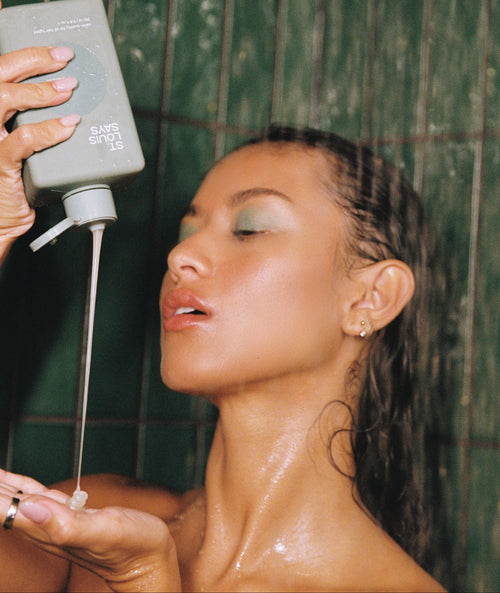


You're not imagining it. Every June, the same thing happens. A little more hair on the pillow. A little more in the shower drain. The brush looking fuller than it should.
Seasonal hair shedding is real, it's common, and for most people it's completely reversible. But understanding why it happens — and doing something about it early — makes the difference between a temporary blip and a winter that leaves your hair noticeably thinner by September.
Here's what's actually going on, and how to get ahead of it.
Why Cold Weather Affects Hair Growth
Hair follicles are sensitive to their environment. During summer, warmer temperatures keep blood circulating freely to the scalp, delivering the oxygen and nutrients follicles need to produce strong, healthy hair. When the temperature drops, blood flow to the extremities — including the scalp — decreases. Follicles that aren't getting adequate circulation gradually shift more hairs into the resting (telogen) phase, which precedes shedding.
This is sometimes called telogen effluvium — a fancy term for stress-triggered shedding — and winter is one of its most common seasonal triggers.
The Indoor Heating Problem
Here's the part most people don't think about: it's not just the cold outside doing damage. It's the heat inside.
Central heating removes moisture from the air. Dry indoor air pulls moisture from wherever it can find it — including your scalp. A dehydrated scalp becomes tight, flaky, and less hospitable to healthy hair growth. It can also trigger or worsen dandruff, which creates its own cycle of irritation and shedding.
If you're spending most of winter moving between a cold outside and a heated inside, your scalp is being hit from both directions.
Post-Summer Damage Catching Up
There's also a lag effect worth knowing about. Hair that was damaged by UV exposure, salt water, and chlorine over summer doesn't always look visibly worse straight away. The structural damage shows up 8–12 weeks later — right around when the cooler months arrive — as increased breakage, dullness, and shedding.
So some of what you're seeing in June and July is actually the result of what happened to your hair in January and February.
What to Actually Do About It
1. Start with your scalp
Everything starts there. A healthy scalp — properly moisturised, with good circulation — is the foundation for hair that grows and holds. If your scalp is dry, tight, or irritated, your follicles are working against the odds.
A Scalp Massager used for a few minutes each wash day physically stimulates blood flow to the follicles. It's one of the simplest, most evidence-backed things you can do for hair growth and scalp health — and at $18, it's the easiest entry point if you're not sure where to start.
2. Switch to a stimulating shampoo and conditioner
Your summer shampoo was probably fine for summer. Winter calls for something that actively supports follicle health rather than just cleansing.
The Eternal Boost Advanced Stimulating Duo is formulated specifically for thinning hair and hair loss concerns. The shampoo works to stimulate the scalp and strengthen the hair shaft from root to tip, while the conditioner supports moisture and resilience without weighing fine or thinning hair down. Used consistently through winter, it gives follicles a better environment to keep producing.
3. Add a weekly treatment mask
If your hair is also dry, damaged, or breaking — which winter tends to accelerate — a weekly treatment mask addresses the structural side of the equation while your shampoo and conditioner work on the scalp and root health.
The Resurrection Repair Hair Treatment Mask is a concentrated repair treatment designed for damaged, weak, or over-processed hair. Use it once a week in place of your conditioner, leave it for 5–10 minutes, and rinse. It works on any hair type and pairs with any of the St. Louis Says duos.
When to Be Concerned
Seasonal shedding typically stabilises within a few months. If you're losing significant volume — not just increased daily shedding but visible thinning at the scalp — or if it's persisting past spring, it's worth speaking to a GP or dermatologist. Hair loss can be linked to nutritional deficiencies (iron, vitamin D, and zinc are common in winter), thyroid function, or hormonal changes, all of which need a clinical assessment.
For most people though, the answer is simpler: the scalp needs more attention in winter than it does in summer. Start there.
All St. Louis Says products are sulphate-free, paraben-free, vegan, and made in Australia.