Satisfaction guaranteed. Free shipping Australia wide for orders over $75.

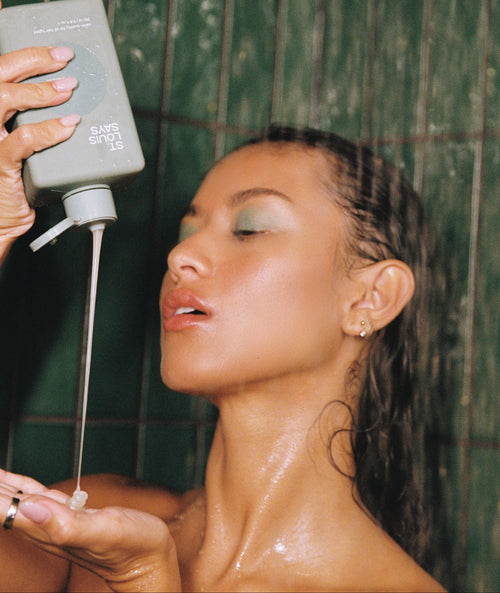


You brush your hair and it stands on end. You put a jumper on and your hair goes with it. You step outside and it poofs in every direction. Welcome to winter hair.
Frizz and static are two of the most complained-about hair concerns in the colder months — and most people try to fix them with more product, which often makes things worse. Here's what's actually causing both, and what to do instead.
Why Winter Makes Hair Frizzy
Frizz happens when the outer layer of the hair shaft — the cuticle — lifts instead of lying flat. When it's raised, hair absorbs moisture from the surrounding air unevenly, causing some strands to swell and others not to, which creates that rough, puffy texture.
In summer, the air holds enough ambient moisture that this process is relatively balanced. In winter, the air is dry — both outside in the cold and inside where heating strips moisture from the air entirely. Your hair cuticle, desperately looking for moisture, opens up and goes searching. The result is frizz that product alone can't fix, because the problem is environmental, not just surface level.
The solution isn't more serum on top. It's keeping the hair shaft hydrated from the inside out so the cuticle has less reason to lift in the first place.
Why Winter Causes Static
Static is a separate (though related) issue. It happens when hair becomes electrically charged — typically from friction between dry hair and dry surfaces like wool jumpers, scarves, hats, and pillowcases.
Moisture is what neutralises electrical charge. In summer, there's enough humidity in the air and on your hair to discharge static naturally. In winter, when everything is dry — your hair, your clothes, the air around you — that charge builds up with nowhere to go.
People with fine or colour-treated hair tend to experience it worse, because both conditions strip moisture from the cuticle and leave hair more susceptible.
What Actually Works
Fix the moisture deficit first
This is the core issue. Frizz and static in winter are both symptoms of dehydration — so the fix starts in the shower, not the styling step.
The All Hail Hydration Moisture Repair Shampoo and Conditioner Duo is formulated specifically for dry, frizzy, and moisture-depleted hair. The shampoo cleanses gently without stripping, and the conditioner seals the cuticle with a blend of soybean oil and panthenol — ingredients that work to smooth and hydrate at a structural level rather than just coating the surface. Used consistently through winter, it significantly reduces the baseline frizz that most people just accept as normal in July.
Add a weekly treatment mask
If your frizz is moderate to severe, your conditioner needs backup. A weekly deep treatment mask works on a different timescale — penetrating deeper into the hair shaft to repair damage and lock in moisture that the cuticle has been losing over days of exposure.
The Resurrection Repair Hair Treatment Mask is the right tool here. Use it once a week in place of your regular conditioner — leave it for 5–10 minutes and rinse. Most people notice a significant difference in static and frizz within two to three weeks of consistent use.
Rinse with cooler water
Hot showers feel great in winter and actively make frizz worse. Hot water opens the cuticle further, meaning whatever moisture you've added during the conditioning step gets released as the water evaporates. A cooler final rinse — even 30 seconds — helps close the cuticle back down and lock moisture in.
Watch what's touching your hair
A lot of winter static comes down to materials. Wool hats and scarves are the main culprits — the friction between dry wool fibres and dry hair generates electrical charge fast. If you can't avoid wool, a silk scarf underneath a wool beanie makes a measurable difference. Cotton pillowcases also create more friction than silk or satin equivalents, which matters if you're waking up to staticky, knotted hair.
Don't skip the scalp
A dry scalp contributes to frizzy, dull-looking hair more than most people realise. When the scalp is dehydrated, it produces less of the natural oil (sebum) that travels down the hair shaft and provides natural conditioning. Using a Scalp Massager during your wash stimulates circulation and sebum production, which provides a baseline level of natural moisture that external products work better on top of.
What Doesn't Work
Overloading on serum or oil. Styling products treat the symptom, not the cause. They can temporarily smooth frizz, but if the underlying moisture deficit isn't addressed, you'll be using more and more product to get the same result.
Washing hair more frequently. More washing means more cuticle damage and more moisture loss. If your hair is getting greasy faster in winter (which is common because people are over-washing to compensate), the answer is washing less frequently with a better shampoo, not washing more.
Using a very hot hair dryer. Heat styling directly on dry, winter-depleted hair is a fast track to more breakage and more frizz. Use a lower heat setting and keep the dryer moving — or, if you have one, the Infrared Thermal Brush uses infrared technology that dries from the inside out rather than blasting the surface with heat, which is significantly less damaging.
Winter hair doesn't have to be a write-off. The fix is almost always the same: more moisture in, less stripping out.
All St. Louis Says products are sulphate-free, paraben-free, vegan, and made in Australia on the Sunshine Coast.